
Plantar Fasciitis, also known as Plantar Fasciopathy, is one of the most common causes of heel pain. It occurs when the plantar fascia — the thick band of tissue running along the bottom of the foot — becomes irritated, overloaded, or damaged.
Many patients describe a sharp or stabbing pain in the heel, particularly during the first few steps in the morning or after periods of rest. Symptoms may improve slightly with movement before returning after prolonged standing, walking, or activity.
At Celtic Podiatry, we understand how frustrating and debilitating plantar heel pain can be. Our experienced podiatrists provide detailed assessment, diagnosis, and tailored treatment plans designed to reduce pain, improve mobility, and support long-term recovery.
Plantar Fasciitis and Plantar Fasciopathy are usually caused by excessive strain or repetitive stress placed on the plantar fascia over time.
Common contributing factors include:
Without treatment, symptoms can gradually worsen and begin to affect walking, exercise, work, and daily activities.
Patients with Plantar Fasciitis / Fasciopathy often experience:
Symptoms may develop gradually or suddenly and can affect one or both feet.

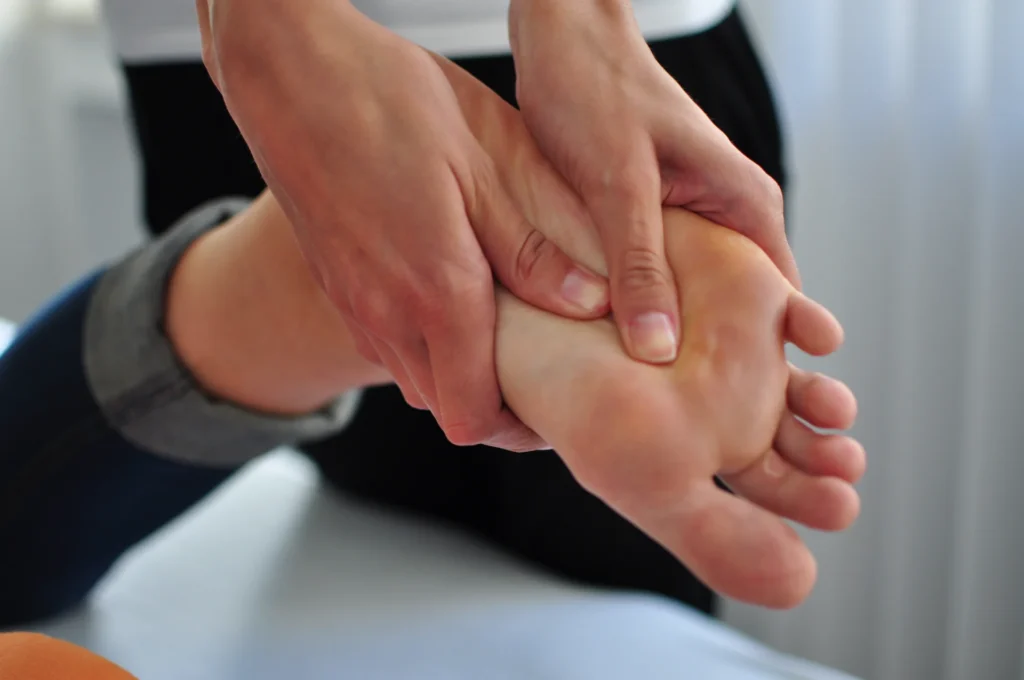
At Celtic Podiatry, we focus on identifying the underlying cause of plantar heel pain rather than simply masking symptoms.
Your assessment may include:
Following diagnosis, we create a personalised treatment plan tailored to your symptoms, activity levels, and recovery goals.
Depending on your needs, treatment options may include:
At Celtic Podiatry, we use modern evidence-based treatments to support healing and recovery from plantar heel pain.
It is important to seek assessment if you experience:
Early treatment can help reduce recovery time and prevent symptoms from becoming chronic.

Book an appointment with our experienced podiatry team for professional assessment, diagnosis, and personalised treatment designed to help you move comfortably again.
We also offer flexible membership options designed to make ongoing podiatry treatment and rehabilitation more affordable and accessible.
Get In Touch
We're here to help
We and our partners, including Google, use cookies and personal data to analyse traffic and for ads personalisation and measurement. You can accept, reject or choose which cookies to allow. Privacy Policy • Cookie Policy • Terms & Conditions • Google Privacy
We use cookies to help you navigate efficiently and perform certain functions. You can choose which categories to allow below. Cookies categorised as Necessary are always active.
We also use third-party cookies for analytics and advertising. These are only stored with your consent. You can update or withdraw consent at any time via the cookie icon at the bottom-left. This site operates under UK GDPR, the Data Protection Act 2018, and the Privacy and Electronic Communications Regulations (PECR). Cookie Policy • Privacy Policy
Necessary cookies are required for core site features including security, network management, and consent storage.
| Cookie | Duration | Description |
|---|---|---|
hmdg_cookie_consent | 180 days | Stores your cookie consent preferences. |
PHPSESSID | Session | WordPress session identifier. |
wordpress_logged_in_* | Session | WordPress login authentication. |
Functional cookies enable enhanced features such as live chat and remembering preferences.
| Cookie | Duration | Description |
|---|---|---|
wp-settings-* | 1 year | Stores user interface preferences. |
Analytics cookies help us understand visitor behaviour. Controls analytics_storage for Google Analytics 4.
| Cookie | Duration | Description |
|---|---|---|
_ga | 2 years | Google Analytics — distinguishes users. |
_ga_* | 2 years | Google Analytics 4 — session persistence. |
_gid | 24 hours | Google Analytics — distinguishes users. |
_gat | 1 minute | Google Analytics — throttles request rate. |
Performance cookies collect aggregate, anonymous data about site performance.
| Cookie | Duration | Description |
|---|---|---|
_gat_gtag_* | 1 minute | Google Tag Manager — rate throttle. |
Marketing cookies track visits to deliver relevant ads. Controls ad_storage, ad_user_data, and ad_personalization.
| Cookie | Duration | Description |
|---|---|---|
_gcl_au | 90 days | Google Ads — conversion tracking. |
_gcl_aw | 90 days | Google Ads — click attribution. |
_gac_* | 90 days | Google Ads — campaign information. |
IDE | 1 year | Google DoubleClick — ad targeting. |
Powered by HMDG • Cookie Policy